




Living on Koh Tao for Three Months: Accommodation, Costs & Daily Life for Divemaster and IDC Candidates
What Three Months on Koh Tao Actually Looks Like
Most prospective pro candidates spend hours researching the IDC itself and almost no time researching the three months they will actually live here. That is a mistake. The training is the part of your day on Koh Tao that someone else has structured for you.
Everything else—where you sleep, what you eat, how you get around, who you spend your evenings with—is a set of decisions you will make on day one and live with for twelve weeks. Getting those decisions right makes the difference between a great experience and a stressful one.
This article is the practical companion to a PADI Divemaster Internship, Divemaster Course, or Instructor Development Course (IDC). It covers the things nobody tells you on a sales call: which neighbourhoods to live in on the island and why, what monthly accommodation actually costs versus the holiday rates online, how to eat well without spending tourist money, what daily life looks like, and the patterns successful candidates settle into within their first week.
It is written for someone who has never been to Koh Tao, who is committing to twelve weeks of intensive training, and who wants to know what they are walking into.
After helping hundreds of Divemaster and Instructor candidates relocate to Koh Tao over the years, I noticed the same questions came up again and again. This guide is my attempt to answer those questions honestly, based on real experiences, so you can arrive better prepared and focus on getting the most from your training.
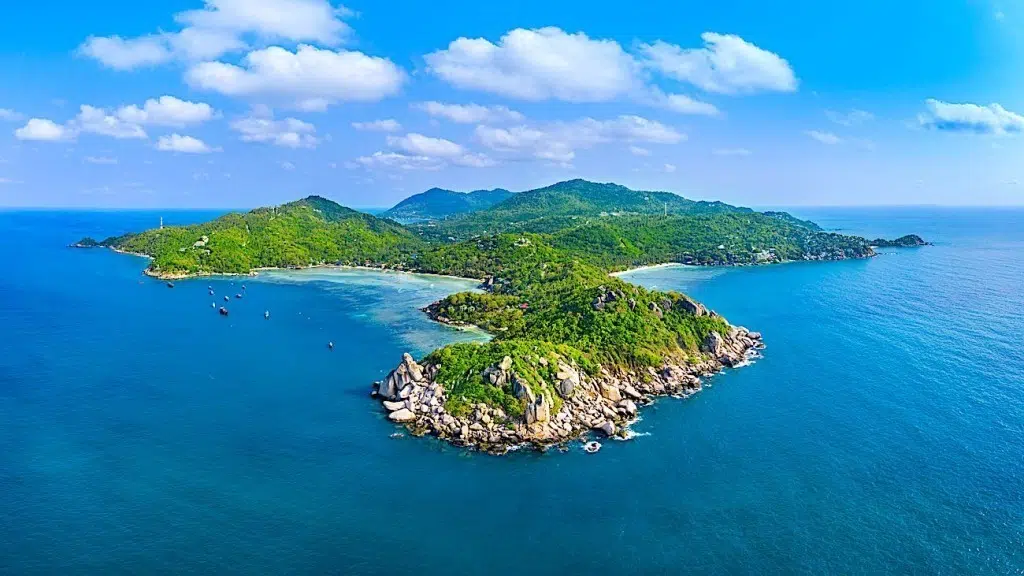
Where Should You Live on Koh Tao?
Koh Tao is a small island with just 21 kilometres of coastline, but it still has three distinct living areas that can shape your daily routine in very different ways. Choosing the right one can make a significant difference to your overall experience, particularly once you have committed to a month’s accommodation.
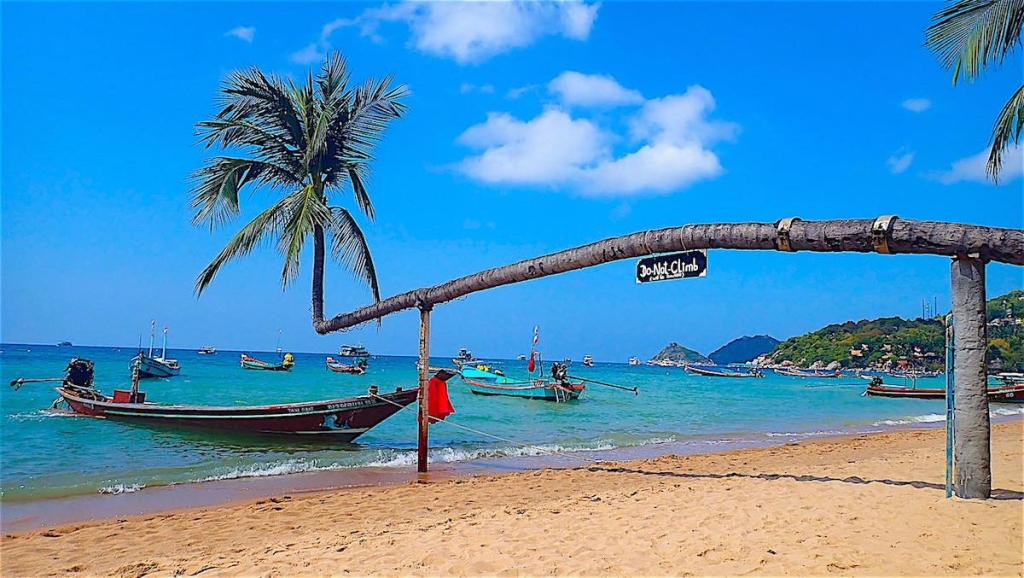
Sairee
Sairee is the busiest part of Koh Tao. It is where much of the dive industry is concentrated, where the greatest number of restaurants, cafés, bars, gyms, and shops are located, and where many instructors, Divemaster candidates, and IDC candidates choose to live. The biggest advantage is convenience. Most daily essentials are within walking distance, making it easy to focus on your training without needing additional transport. For candidates training with us in Mae Haad, Sairee is typically only a 15–20 minute walk from the dive centre, making it a practical option for those who want easy access to both training and the island’s social scene.
The trade-off is that Sairee is also the centre of Koh Tao’s social scene. During high season, restaurants and cafés can be busy, accommodation is often slightly more expensive than in other areas of the island, and some locations can be noisy in the evenings. For candidates undertaking intensive professional training, it is worth considering how close you want to be to the beach road and nightlife, particularly during periods when you will be studying, completing presentations, or preparing for examinations.
Over the years, I have had several IDC candidates tell me they wished they had spent a little more time choosing their accommodation before committing to a long-term rental. While many loved the convenience of living in central Sairee, some found that late-night noise and the general pace of the area occasionally made it difficult to get a full night’s sleep during important parts of their training. This is not a reason to avoid Sairee altogether—many candidates thrive there—but it is worth considering if you know you are someone who values peace and quiet, particularly during the more demanding stages of your professional development.
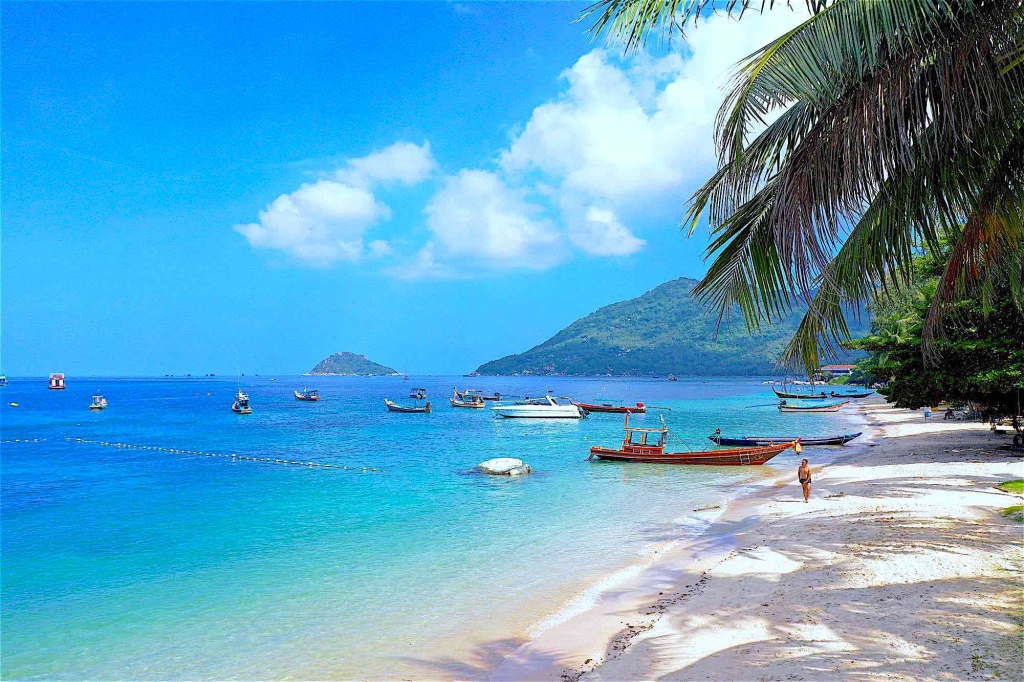
Mae Haad
Mae Haad is the port village. It is quieter than Sairee, has a more local feel, and is where the ferries arrive and depart. If your dive centre is in Mae Haad—as ours is—it makes sense to live there. Everything you need for day-to-day life is close by, including supermarkets, cafés, restaurants, gyms, clinics, and the island’s main transport links. Accommodation is also generally more affordable than in Sairee, making it an attractive option for candidates looking to manage their budget over a longer stay.
Another advantage of Mae Haad is its access to local markets and fresh produce. There are several vendors selling fresh fruit and vegetables throughout the village, making it easy and affordable for long-term candidates to eat healthily, stock a kitchenette, and reduce their overall food costs during training.
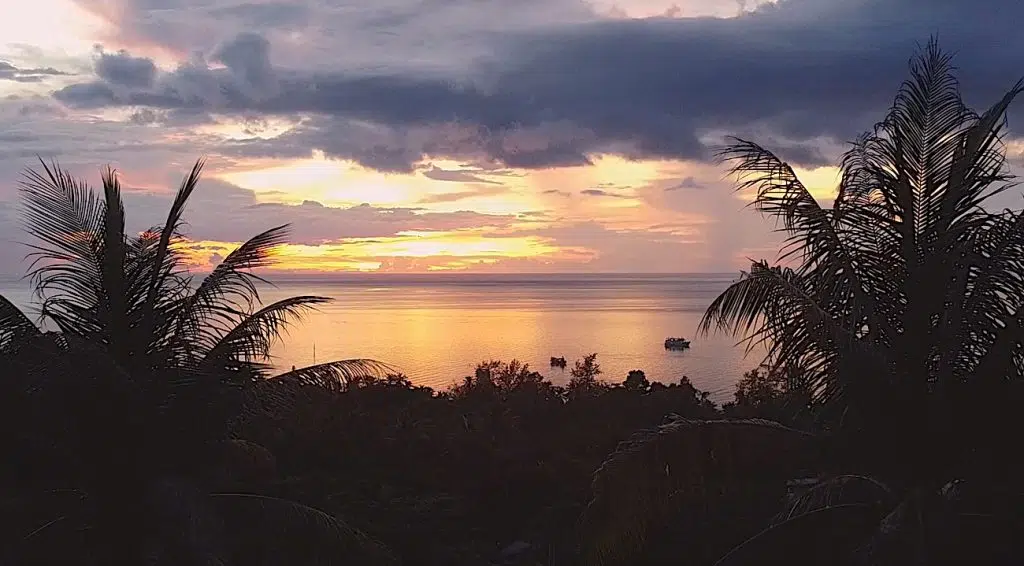
The trade-off is that the social scene is smaller than Sairee, although many candidates find they don’t need to venture far. Connecting Mae Haad and Sairee is a beachfront walking street that follows the coastline and is lined with restaurants, cafés, bars, and some of the island’s best sunset viewpoints. Many candidates choose to walk between the two areas in the evenings, enjoying the relaxed atmosphere and avoiding the need for a motorbike altogether. During busy periods this can often be a more enjoyable option than dealing with the island’s evening traffic.
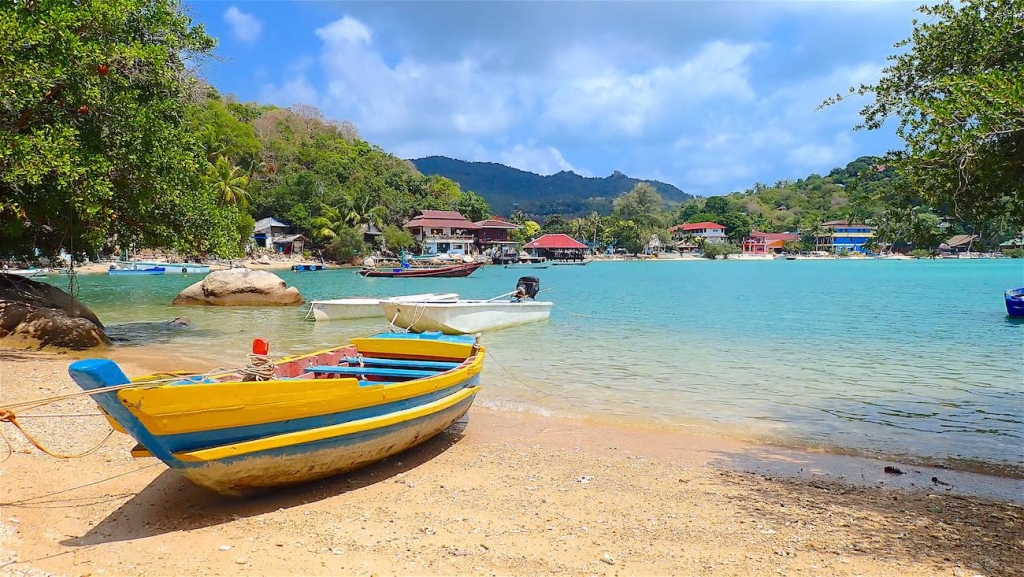
Chalok Baan Kao
Chalok Baan Kao on the south coast is the calmest of the three. It has a small handful of dive centres, a quiet beach, and a slower rhythm. It is genuinely beautiful and a good fit for candidates who want training during the day and recovery in the evening. Chalok is approximately a 20–30 minute walk from Mae Haad and offers a quieter environment than both Sairee and the port area. However, if you regularly plan to explore other parts of the island, transport becomes more important.
My honest advice: live close to your dive centre for the first month, then re-evaluate. Most candidates underestimate how tired they will be by the end of a training day, and a short walk home matters more than a scenic motorbike ride when you have just finished a long day of diving or an intensive day in the classroom. Staying close to your training base not only saves time and transport costs, but also makes it easier to maintain a healthy routine, stay focused on your development, and get the rest you need throughout your training.
Something else I see regularly is candidates underestimating just how much energy professional-level training requires. Being able to walk home, have dinner, review your notes, and get a good night’s sleep can make a real difference to your overall experience and success. I certainly underestimated it myself when I first started my professional training, and it is something I now discuss with every candidate before they arrive on the island.
Accommodation – What You’ll Actually Pay
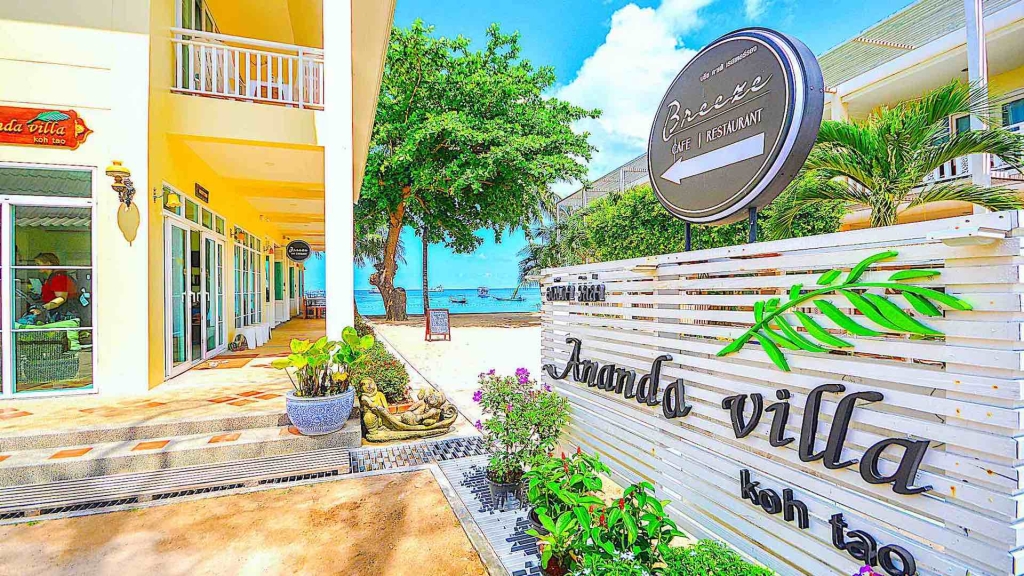
The headline rule of accommodation on Koh Tao is this: nightly rates are a tax on people who have not asked about monthly rates. A room that lists at 1,200 THB per night online is often available for 12,000–18,000 THB per month if you book directly with the guesthouse and pay weekly or monthly upfront. That can be a difference of 20,000–25,000 THB over the course of a month—real money that could be better spent on your training, equipment, or simply enjoying your time on the island.
At the budget end, a clean fan-cooled room with a private bathroom in Sairee or Mae Haad typically costs between 6,000 and 9,000 THB per month if you arrive on the island and spend some time looking around. Online listings rarely show these rates because many of the smaller guesthouses do not advertise on Booking.com or Agoda, relying instead on walk-in customers and word-of-mouth recommendations.
One thing I always advise candidates to be cautious of is booking long-term accommodation too far in advance. While most listings are legitimate, I have seen candidates arrive to find accommodation was not quite as advertised. For that reason, I generally recommend booking only your first few nights before arrival and then viewing longer-term options in person.
Beachside Accommodation
If you are joining one of our Divemaster Internships, IDC programs, or professional training packages, I am always happy to help. Having watched so many candidates make the move to Koh Tao over the years, I have seen first-hand what works and what doesn’t.
One thing I do with all of my professional-level candidates is send them a selection of local accommodation Facebook groups before they arrive on the island. Many local property owners and guesthouses advertise through these groups rather than traditional booking websites, which means some of the best long-term options never appear on Booking.com or Agoda. This gives candidates the opportunity to start researching options, understand the local market, and often arrange viewings before they even step off the ferry.
Whether you are looking for the cheapest room possible, a quiet place to study, somewhere within walking distance of the dive centre, or simply a place that feels like home for the next few months, I am always happy to point people in the right direction. In my experience, having accommodation largely sorted before arrival gives candidates peace of mind and allows them to focus on settling into training rather than spending their first week searching for a place to live.

Eating on Koh Tao – The Real Cost
Food is where you can genuinely save money on Koh Tao without compromising your training, and where many candidates accidentally spend a fortune.
A full Thai meal at a local restaurant is typically 80 to 150 THB. Pad krapow with rice and a fried egg, fried rice with chicken, a bowl of noodle soup, or a green curry—any of these. They are filling, fresh, and usually served within ten minutes. The local restaurants tucked away down side streets and away from the beachfront are often some of the best places to eat on the island and certainly some of the most affordable. If you eat two Thai meals a day at 100 THB each, that works out to around 6,000 THB per month.
Western food costs considerably more. A burger at a café or restaurant is typically 200 to 250 THB, a pasta dish around 250 to 350 THB, and a steak dinner can easily reach 500 THB or more. If you eat Western food three times a day, you can quickly spend significantly more on food than you planned when budgeting for your training.
The middle path is what most candidates eventually settle into: Thai food at lunch because it is quick, affordable, and ideal fuel for an afternoon of diving or studying; a Western breakfast or coffee in the morning; and a mixture of both at dinner depending on the day. A realistic monthly food budget at this rhythm is around 12,000 to 18,000 THB. Add another 1,500 to 3,000 THB per month if you enjoy a few social drinks during the week.
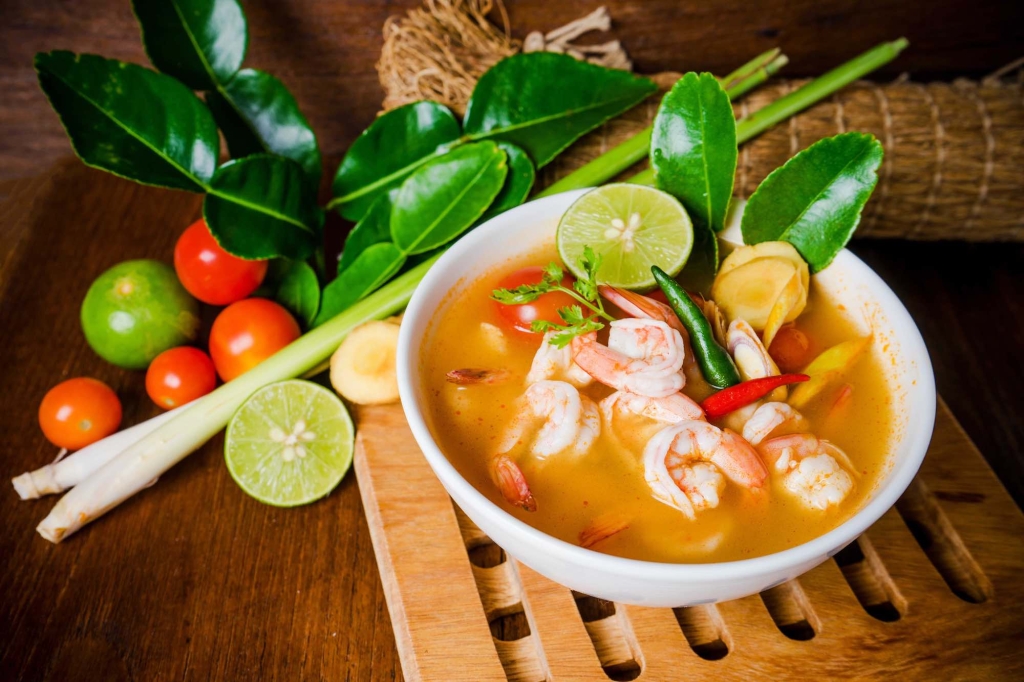
One thing I have noticed over the years is that candidates often arrive expecting to eat almost exclusively Western food, only to discover that some of their favourite meals by the end of their stay come from small family-run Thai restaurants. Not only does this help keep costs under control, but it is also one of the easiest ways to experience local culture while living on the island.
For groceries, most candidates use 7-Eleven, Go Fresh, and the local mini marts for snacks, drinks, and everyday essentials. If you are planning to cook, there are several larger grocery stores, fresh produce suppliers, and local markets around the island where you can buy ingredients at very reasonable prices.
Mae Haad is particularly popular with long-term candidates thanks to its range of food stalls, local restaurants, and fresh produce vendors. Chalok Baan Kao also has a fantastic selection of traditional Thai restaurants that are often overlooked by visitors staying elsewhere on the island. Both areas offer excellent value for money and are a great reminder that some of the best meals on Koh Tao are often found away from the main tourist areas.
If you have access to a kitchenette and prepare some meals at home, your food budget can drop significantly. A weekly grocery shop for one person is typically between 1,500 and 2,500 THB, depending on your eating habits and how often you cook.
The Daily Rhythm of Professional Training
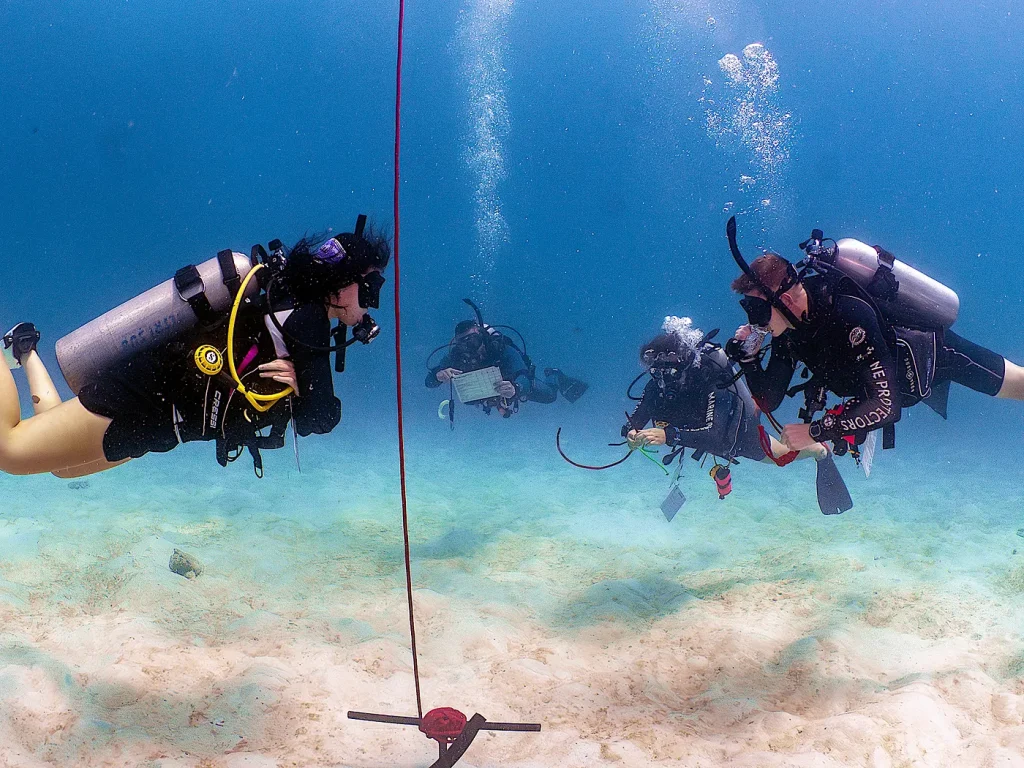
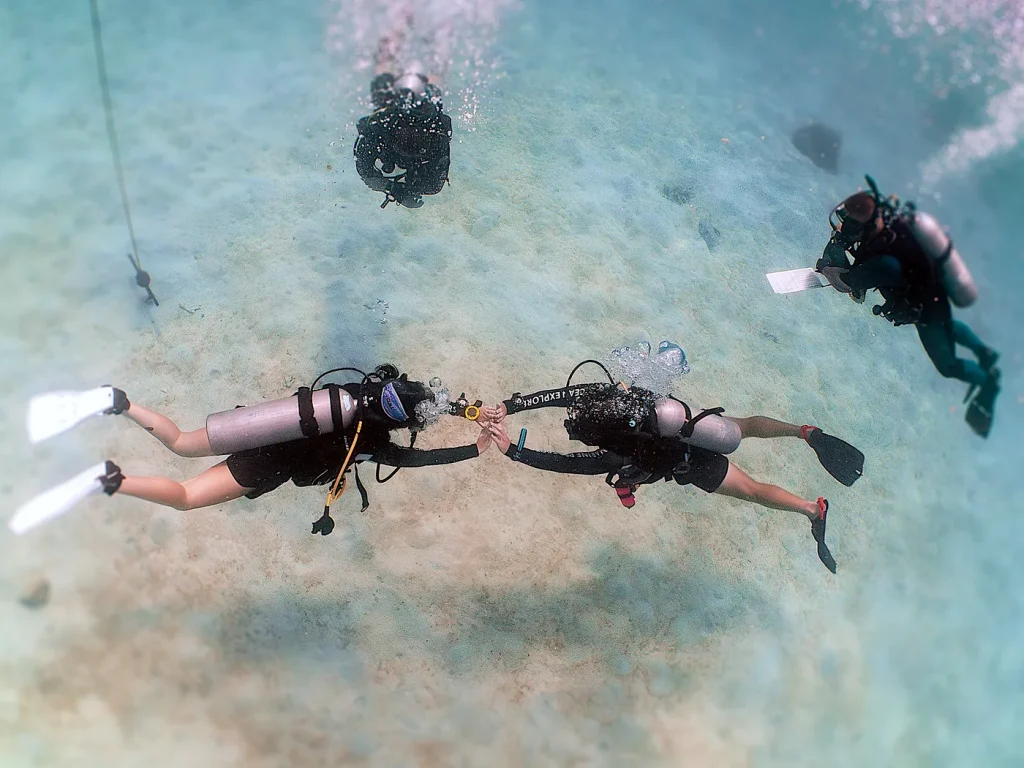
One thing I think a lot of candidates get wrong before arriving on Koh Tao is assuming they are coming on holiday with a bit of diving thrown in. The reality is usually the other way around. During your Divemaster, IDC, or MSDT training, diving and education become your routine, and everything else fits around that.
A typical day starts early. Morning boats generally leave between 6:30am and 7:30am, so most candidates are at the dive centre beforehand preparing equipment, listening to briefings, and making sure everything is ready for the day. Morning dive trips usually return between 11:00am and 11:30am, giving enough time for lunch and a debrief before the afternoon schedule begins.
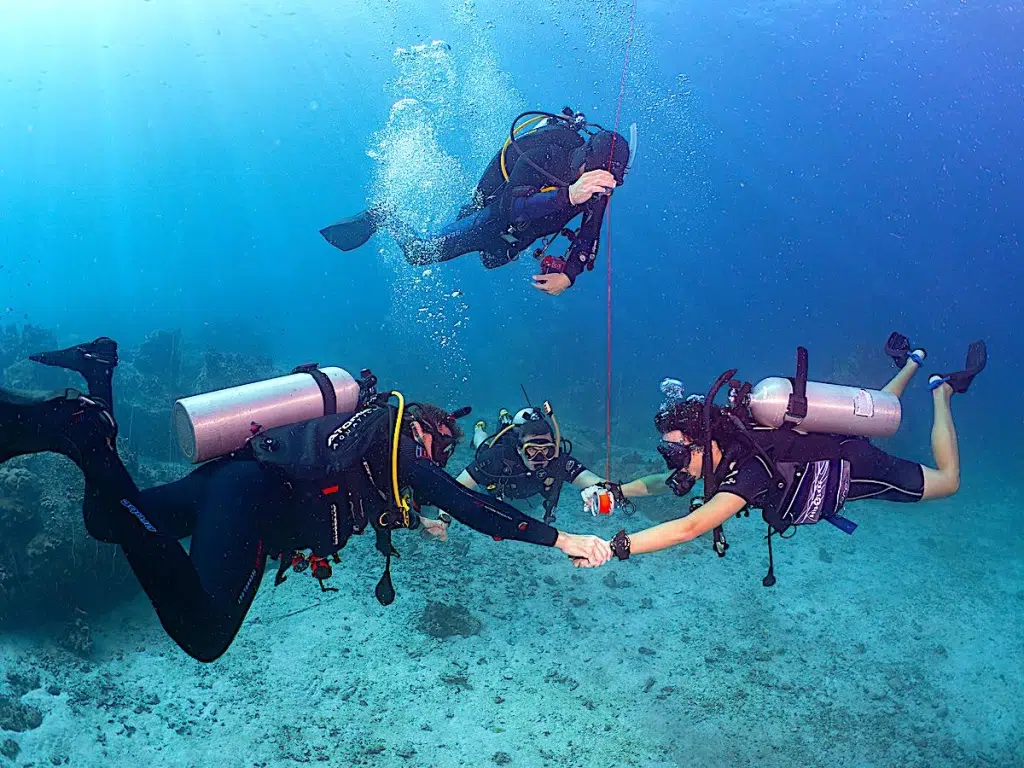
For Divemaster candidates, the days are usually a mixture of diving and education. Some mornings are spent on the boat followed by debriefings, workshops, and knowledge development sessions in the afternoon. Other days start in the classroom before heading out for afternoon dives. One of the things I enjoy most about Divemaster training is that no two weeks look exactly the same.
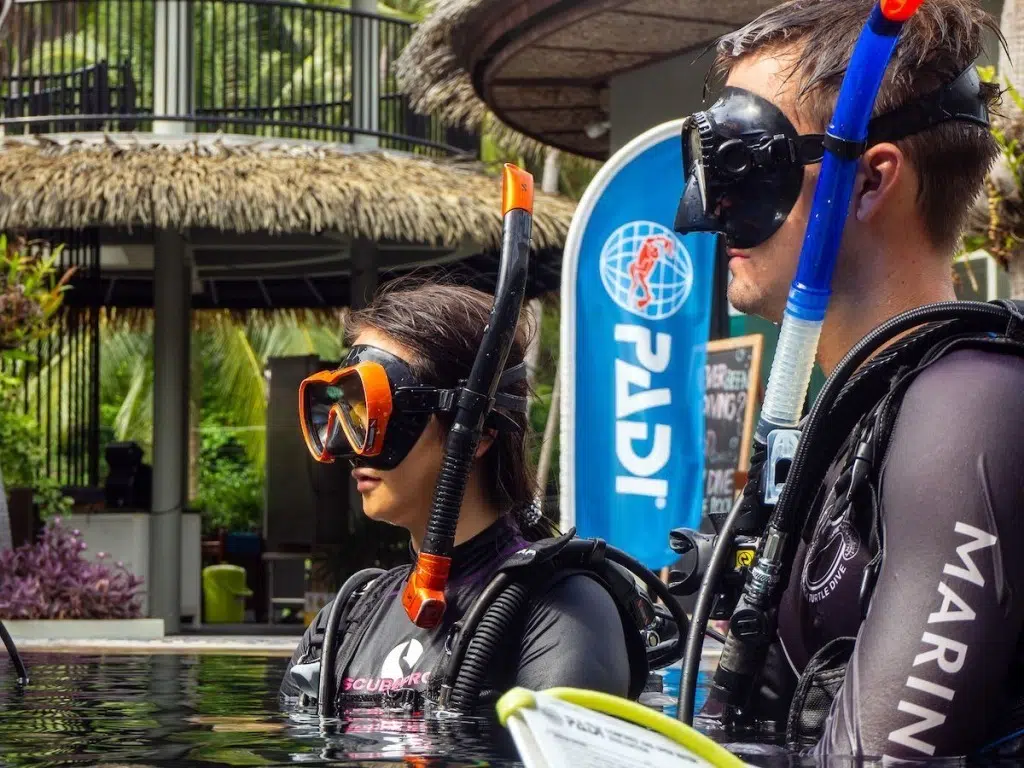
Divemaster & PADI IDC Candidates
IDC candidates tend to spend more time in the classroom and pool environment. There are presentations to prepare, workshops to attend, standards to learn, and teaching techniques to develop. Pool sessions are often scheduled in the mornings, with open water training dives and instructor-level workshops taking place in the afternoons.
For MSDT candidates, the schedule often becomes even more varied. You may be back on the boat teaching specialty courses, completing instructor specialty training, or team teaching alongside experienced instructors and seeing how real courses are organised from start to finish.
Afternoon boats generally leave around 12:00pm to 12:30pm and return between 4:00pm and 5:00pm. By that point most candidates have completed a full day of training and are free for the evening. Some head to the gym, some grab dinner with friends, some work on presentations, and some simply go home and sleep. There are also occasional night dives, which can make for a long but very rewarding day.
Something I always tell candidates is that they will probably be more tired than they expect. Professional-level training requires a lot of concentration, and most people underestimate how much energy they use throughout the day. I certainly did when I started my own professional training. Getting enough sleep, eating well, and taking care of yourself quickly becomes just as important as what happens underwater.
By the third or fourth week, most people settle into a rhythm. You stop feeling like a visitor and start feeling like you live here. You recognise familiar faces around the dive centres, cafés, and restaurants. You develop routines, favourite places to eat, and friendships that often last long after the training is over.
Looking back, this is often one of the things former candidates talk about the most. Of course they remember the dives, the certifications, and the courses they completed. But they also remember the people they met, the daily routine they built, and the experience of spending several months focused entirely on becoming a better diver and a better dive professional.
Transport – Motorbike or No Motorbike?
One of the first questions most candidates ask after arriving on Koh Tao is whether they need a motorbike.
The honest answer is no—not necessarily.
A motorbike rental typically costs between 2,500 and 4,000 THB per month, with fuel adding another 400 to 600 THB depending on how much you ride. Many candidates choose to rent one at some point during their stay, but plenty complete their training perfectly comfortably without one, particularly if they choose accommodation within walking distance of their dive centre.
If you have read the accommodation section above, you will probably have noticed a recurring theme. I generally encourage candidates to prioritise convenience over scenery during their first few weeks. In fact, whenever possible, I much prefer my own candidates to stay within walking distance of the dive centre. Being able to walk to training, supermarkets, restaurants, and cafés removes a surprising amount of stress from daily life and allows you to focus on why you came to Koh Tao in the first place.
This recommendation comes from experience. Over the years, I have seen candidates unable to complete their IDC because of injuries sustained in motorbike accidents. In some cases, the injury itself was relatively minor, but it prevented them from entering the water and completing the course. Because the IDC follows a fixed monthly schedule, missing key training days can mean waiting until the next month’s IDC to continue.
Unfortunately, that is not always possible. Visa durations, flight schedules, work commitments, and personal finances do not always allow candidates to stay for an additional month. What started as an exciting trip to become a dive professional can quickly become an expensive and ultimately unsuccessful one.
The same can apply to Divemaster candidates. While the schedule is generally more flexible, a motorbike injury can still result in several weeks out of the water, delaying progression and adding unexpected accommodation and living costs to the overall budget.
Renting a Scooter on Koh Tao
The first thing I always discuss with candidates is experience. Koh Tao’s roads can be steep, some routes remain unpaved, and sand on corners is common. If you have never ridden a scooter before, Koh Tao is not the place I would recommend learning. The challenge is not only your own riding ability. The reality is that many road users on Koh Tao are tourists with very little experience themselves, and a large percentage of accidents involve someone else’s mistake as much as your own.
It is also worth checking your travel and dive insurance carefully. Many policies require riders to hold a valid motorcycle licence from their home country and comply with local laws. If those requirements are not met, you may find yourself responsible for significant medical costs that would otherwise have been covered.
I am not anti-motorbike. Many candidates ride safely throughout their entire stay and enjoy the freedom that comes with having their own transport. I simply encourage people to make an informed decision rather than feeling like they need one immediately after stepping off the ferry.
If you choose not to rent a bike, walking is often easier than many people expect. Sairee, Mae Haad, and the coastal walking route between them are all easily accessible on foot. Taxis are available when needed, although they are considerably more expensive than most visitors expect, often costing 400–500 THB per journey depending on distance and time of day. For many candidates, a combination of walking and the occasional taxi proves to be the most practical option during training.
If there is one piece of advice I would give, it is this: your goal on Koh Tao is to complete your training, not to become an expert motorbike rider. The safest and most successful candidates are usually the ones who keep things simple, stay focused on their development, and avoid unnecessary risks during the relatively short time they are here.
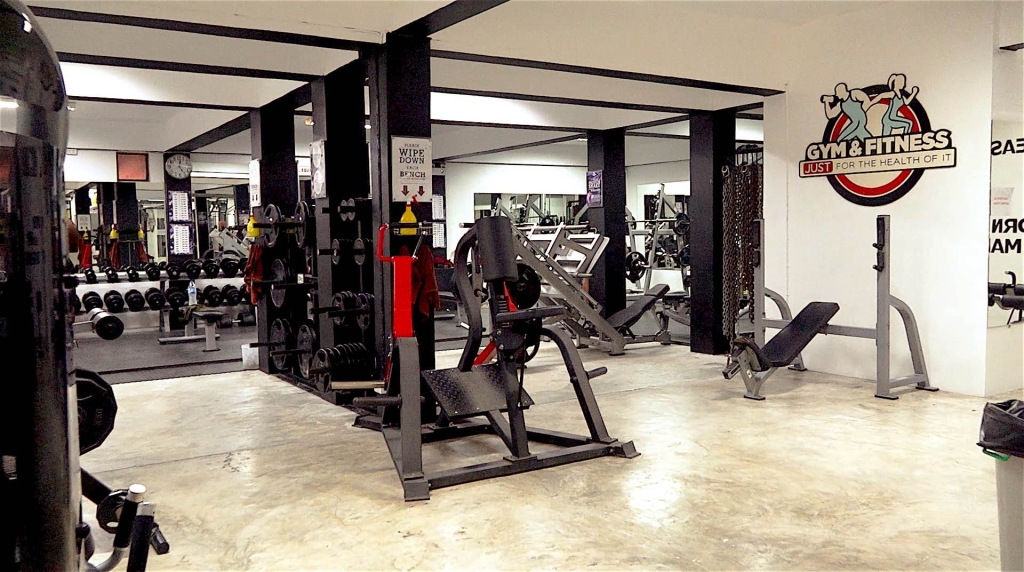
Gym, Laundry, Internet, and the Small Things
There are several gyms on Koh Tao—traditional weight gyms, CrossFit boxes, Muay Thai camps, and a couple of yoga studios. Monthly memberships range from 1,500 to 4,000 THB depending on what you want. If you are doing a Divemaster Internship or any other long professional programme, joining a gym in your first week is one of the better investments you can make. The water-fitness side of professional training is real, and an hour of cardio or strength work three times a week makes the swim tests, stamina assessments, and long days noticeably easier.
Laundry is everywhere. Drop-off services charge 50 to 60 THB per kilo and will return your clothes washed and folded within 24–48 hours. A professional candidate going through training generates a surprising amount of laundry between dive shorts, rash guards, towels, and training clothes, so budget around 400 to 600 THB per month.
Internet on Koh Tao is generally very reliable. Most accommodation includes wifi, most cafés offer internet for customers, and the mobile networks (AIS, True, and dtac) provide good coverage throughout Sairee and Mae Haad, with occasional weaker signal in some of the smaller bays around the island.
Most candidates either purchase a local Thai SIM card or activate an eSIM before arriving in Thailand. The advantage of an eSIM is that you have data the moment your plane lands, making it easy to contact your accommodation, message your instructor, organise transport, or access maps without searching for a local SIM first. If you are staying for several months, however, a local Thai SIM often provides the best value.
Expect to pay approximately 600 to 900 THB for a package with plenty of data that will last around 30 days. These can be purchased at the airport, mobile phone stores, or most 7-Eleven locations.
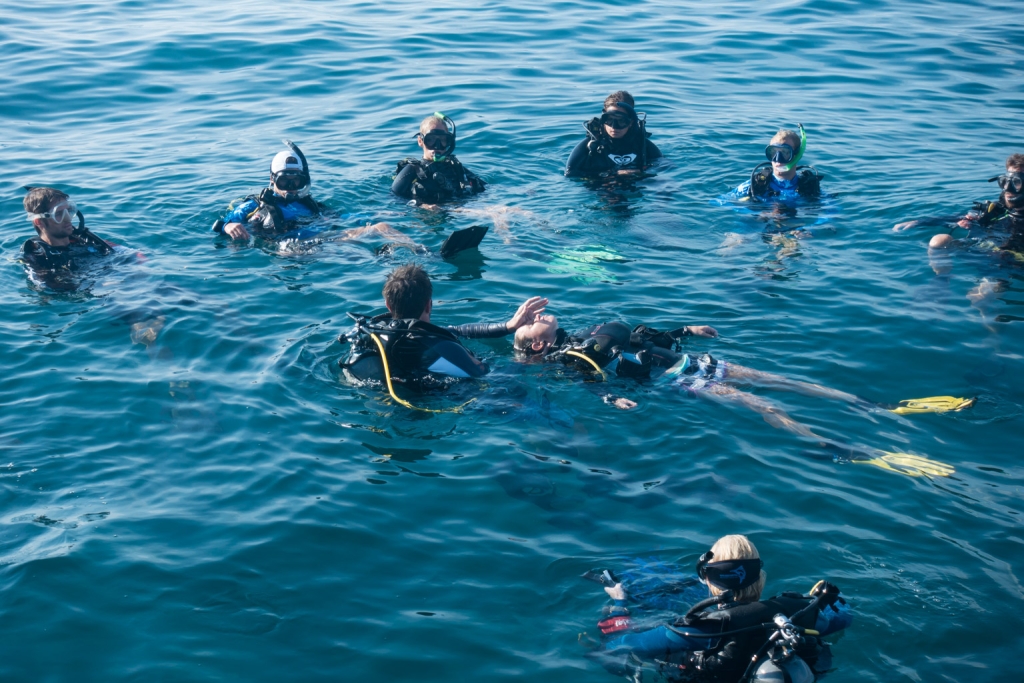
Health, Hydration, and Staying Healthy on Koh Tao
The biggest health mistake I see new arrivals make is underestimating the sun. Even candidates who spend plenty of time outdoors at home are often surprised by how quickly they can burn during a day of diving. A bad sunburn during your first week of training is genuinely miserable and can affect your comfort, concentration, energy levels, and even your dive schedule.
One thing I strongly recommend is investing in a good quality reef-safe sunscreen from day one. Not all sunscreens are created equal. Thailand has restrictions on certain sunscreen ingredients within marine national parks due to concerns about damage to coral reefs. When checking the ingredients list, avoid products containing Oxybenzone (Benzophenone-3), Octinoxate (Ethylhexyl Methoxycinnamate), 4-Methylbenzylidene Camphor (4MBC), and Butylparaben. Mineral-based sunscreens using zinc oxide are generally considered a better option, particularly for divers spending long periods in the water.
A reef-safe sunscreen protects both your skin and the reefs we spend our days teaching on. A hat, sunglasses, and a long-sleeved rash guard are also worthwhile investments and will often provide better protection than sunscreen alone. In reality, some of the best sun protection comes from simply reducing how much exposed skin you have during long days on boats and around the dive centre.
Stay Hydrated
Hydration is equally important. Diving, heat, humidity, and the occasional evening beer all add up faster than most people realise. Drink water consistently throughout the day, not just at meal times. Most accommodation has access to drinking water, and many long-term residents order 20-litre refill bottles delivered directly to their accommodation for around 35 THB. It is one of the cheapest and easiest ways to stay hydrated.
I always encourage candidates to bring or purchase a reusable water bottle during their first week on the island. Over the course of a Divemaster Internship or Instructor Development Course, the number of plastic bottles can add up surprisingly quickly. Koh Tao is a small island, and reducing unnecessary plastic waste is a simple habit that benefits both the local environment and the marine ecosystems we rely on every day. If you do buy bottled water from 7-Eleven, expect to pay around 25–30 THB for a large bottle.
Ear care is another topic that deserves attention. Tropical water combined with repeated diving means ear infections are one of the most common medical issues experienced by divers on Koh Tao. Rinse your ears with fresh water after diving, allow them to dry properly, and pay attention to any discomfort, blockage, or unusual sensations. If something does not feel right, stop diving and get it checked early. A minor ear infection treated promptly is usually a quick and inexpensive clinic visit. Left untreated, it can easily become a week or more out of the water.
Koh Tao has several medical clinics as well as a hospital, and fortunately most of the common issues divers experience can be dealt with quickly and professionally on the island. Ear infections, minor injuries, dehydration, and general illnesses are all things the local medical teams see regularly. For anything more serious, transfer to the mainland may be required, which is exactly why I encourage all candidates to have comprehensive travel and dive insurance before arriving.
The Social Side – One of the Best Parts of Koh Tao
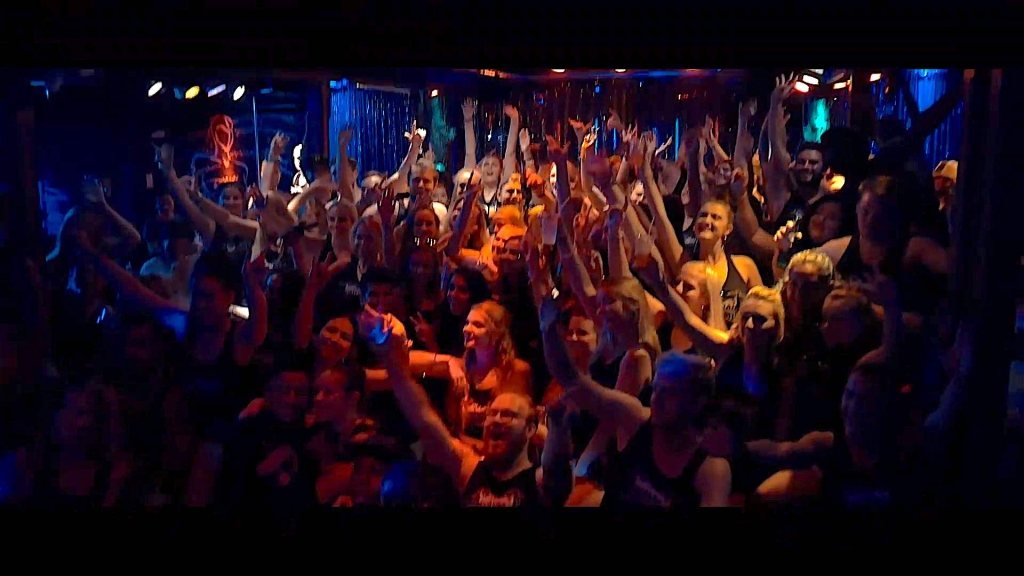
One of the things many candidates remember most about their time on Koh Tao is not the certifications they earned, but the people they met along the way.
Professional-level training attracts people from all over the world. Most Divemaster, IDC, and MSDT candidates are in their twenties and thirties, although every year we welcome candidates both younger and older. Regardless of age or background, everyone arrives with a shared goal: becoming a better diver and taking the next step in their diving career.
Because you spend so much time together—in classrooms, on boats, underwater, and around the dive centre—friendships tend to form quickly. By the third or fourth week, it is common to have a close group of training partners who become dinner partners, weekend adventure partners, and often lifelong friends. One of the things I enjoy most about professional training is seeing candidates from completely different countries and backgrounds form friendships that continue long after they leave Koh Tao.
Like most dive destinations around the world, Koh Tao also has a vibrant social scene. There are beach bars, restaurants, live music venues, sunset spots, and plenty of opportunities to enjoy yourself after training. In my opinion, that is part of the experience and one of the reasons so many people look back so fondly on their time here.
The key is simply finding the right balance.
The candidates who struggle during professional training are rarely the ones who find the academic or in-water portions too difficult. More often, they are the candidates who try to maintain the same social schedule they might have on a two-week holiday while simultaneously completing intensive professional-level training.
A couple of evenings out each week is usually no problem. Most candidates manage this perfectly well. The challenge comes when late nights become the routine rather than the exception.
Something I often remind candidates is that your IDC is effectively the final sprint at the end of a much longer journey. By the time you reach the Instructor Development Course, you want to be rested, focused, and ready to perform at your best. The candidates who generally perform strongest are not necessarily the smartest or most experienced—they are often the ones who arrive prepared, organised, and well rested.
My advice is simple: enjoy the island, enjoy the people, and enjoy the experience. Some of my favourite memories from Koh Tao were made away from the classroom and outside the water. Just remember why you came here in the first place. Professional training lasts only a few weeks or months. The qualification, experience, and career opportunities that come from it can last a lifetime.
A Realistic Monthly Budget Summary
Pulling everything together, here is what a comfortable—but not extravagant—monthly budget looks like for most professional-level candidates living on Koh Tao:
Daily Living Costs on Koh Tao
Accommodation: 12,000–18,000 THB
Food & Groceries: 12,000–18,000 THB
Transport (with motorbike): 3,000–5,000 THB
Gym Membership: 1,500–4,000 THB
Laundry, Water & Mobile Data: 1,000–1,500 THB
Social Activities & Incidentals: 3,000–6,000 THB
Estimated Monthly Total: 32,500–52,500 THB
For a typical three-month Divemaster Internship or professional training pathway, a realistic living budget is approximately 100,000–160,000 THB, in addition to your course fees, PADI fees, insurance, and any equipment purchases you choose to make.
As with everything on Koh Tao, there is a wide range. I have had candidates comfortably live below these figures by sharing accommodation, cooking some meals at home, walking instead of renting a motorbike, and embracing the excellent local Thai food available across the island. Equally, I have seen candidates spend significantly more by choosing private bungalows, eating mostly Western food, taking taxis regularly, and treating every evening like a holiday.
The important thing is not finding the cheapest way to live on Koh Tao. It is creating a budget that allows you to focus on your training without constantly worrying about money. Professional-level scuba training is demanding enough without adding unnecessary financial stress into the mix.
If I could offer one final piece of advice, it would be to budget slightly more than you think you need. Unexpected expenses always appear, whether it is replacing a mask strap, buying a new rash guard, joining a gym, extending accommodation, or simply discovering a restaurant you love. Having a small buffer in your budget makes the entire experience far more enjoyable and allows you to focus on becoming the best dive professional you can be.
Final Thoughts Before You Arrive
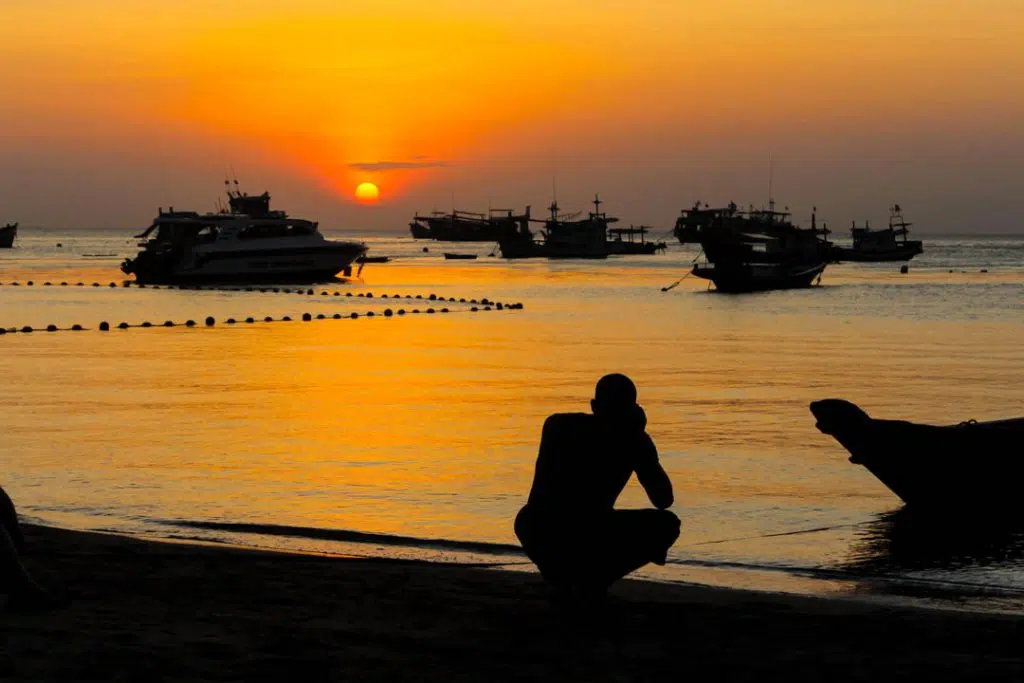
Three months on Koh Tao is enough time to genuinely settle in. By week three or four you will probably have a favourite Thai restaurant, a regular coffee spot, a gym you actually use, and a handful of places around the island that feel familiar. The island slowly stops feeling like somewhere you are visiting and starts feeling like somewhere you live.
The candidates who get the most out of this experience are usually the ones who treat it for what it is: not a holiday, and certainly not a hardship posting, but simply a few months of life that happens to include professional scuba diving training. They look after themselves, get enough sleep, eat reasonably well, and remember to take time off when they need it.
“Train hard. Dive easy.”
It is a phrase I often use with my own candidates, and there is a lot of truth in it. The people who perform best over the long term are rarely the ones who try to do everything at maximum intensity every day. They are the ones who stay consistent, put the work in when it matters, look after themselves, and arrive at each training day ready to learn.
Over the years, I have watched candidates arrive on Koh Tao knowing nobody and leave with lifelong friendships, professional qualifications, and opportunities they never expected when they first stepped off the ferry. Some have gone on to become dive centre managers, business owners, Course Directors, and even PADI employees. Others simply discovered a career and lifestyle they genuinely love.
The certifications matter, but they are only part of the experience. The confidence you build, the people you meet, and the lessons you learn during this period often stay with you far longer than any certification card.
If you are considering making the move and have questions about accommodation, budgeting, visas, training pathways, or simply what life on Koh Tao is really like, feel free to get in touch. Having helped hundreds of professional candidates settle into island life over the years, I am always happy to share what I have learned.
Three months sounds like a long time when you are planning it.
Trust me—it goes by much faster than you think.
Written by Kieran “Beard” Hooley
Award-Winning PADI Platinum Course Director @ Black Turtle Dive & IDC Koh Tao | Founder of Fluid Mechanics | Marine Conservation Educator | Sidemount & Advanced Buoyancy Specialist | Developing the Next Generation of Dive Professionals