












Secrets to being a Successful Dive Professional
Working as a professional in the dive industry can seem like a dream job — sun, beautiful surroundings, and doing something that you love all day, every day.
But for those very reasons, the dive industry is highly competitive. This means that just loving to dive or being the best diver that you know isn’t enough.
Given my own successful background with so many different roles in the dive industry, I’m often asked for tips on breaking into and excelling in this field.
If you’re a dive professional or considering becoming one and you’re asking „What strategies would help me succeed in the dive industry?“, the tips below can help you get started.
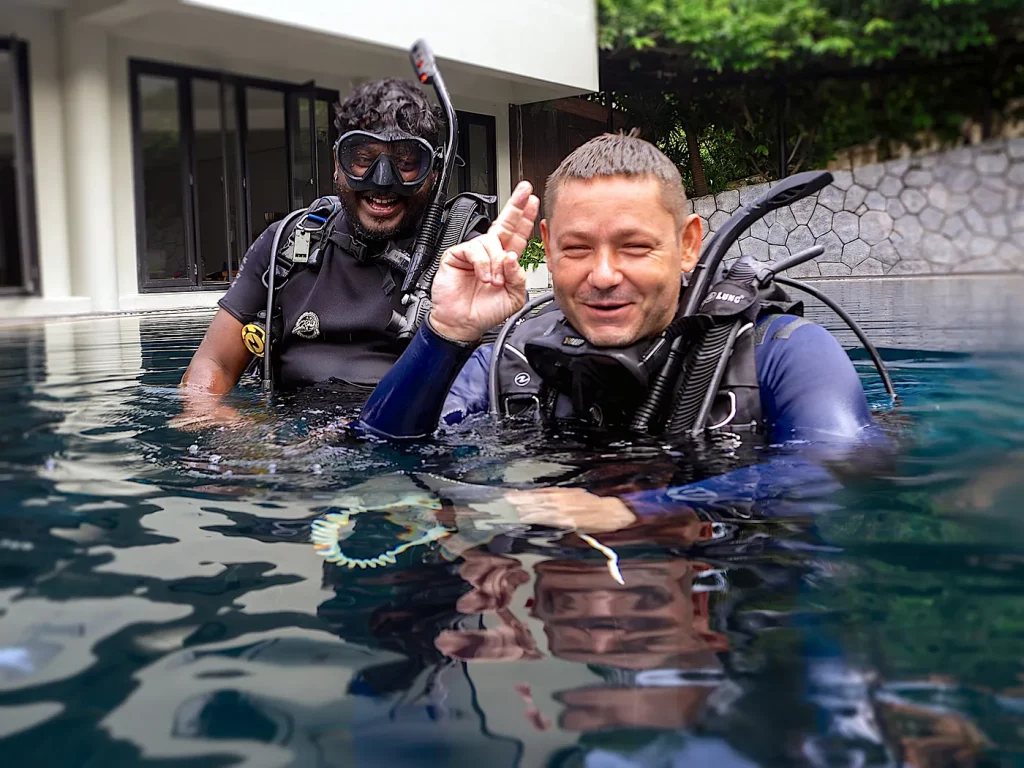
1. Enjoy What You Do
Just loving your job isn’t enough — if it were, there wouldn’t be nine more items on this list — but it is critical to your success.
It’s not just the fact that working as a dive professional brings a certain kind of lifestyle along with it; it’s also that no one wants a miserable diving instructor. If you’re not having fun, your students won’t either.
Plus, scuba diving is not just about getting in the water. If you love to travel as well, you’ll be able to take advantage of many opportunities and enjoy what diving destinations have to offer from Thailand to the Bahamas, Indonesia to Australia and many more.
A passion for exploration is also a must, and loving nature means that you are in a great position to advocate for protection and preservation of the natural environments where you do your diving.

2. Be People Orientated
Whether you’re guiding or teaching divers or working as a dive professional in another capacity, you need to enjoy working with people. You’ll encounter people from all walks of life, and you have to be able to connect with them and build relationships.
This is not just about having fun at your job or making friends, as important as those elements are. When you connect with people, you become better at figuring out what they need, such as a certain approach to instruction or bigger challenges.
There are elements of learning to dive that can be scary or intimidating for some students, and a great dive instructor is able to build trust and walk students through those fears.
As is the case in so many industries, networking is key to success, and networking is really about enjoying connecting to people. The people that you meet professionally will remember you and recommend you to others within their own network.
Building relationships is at the heart of success in the dive industry and of course the easy part is you immediately have at least one thing in common with every customer you will encounter, an interest in scuba diving and the underwater world.
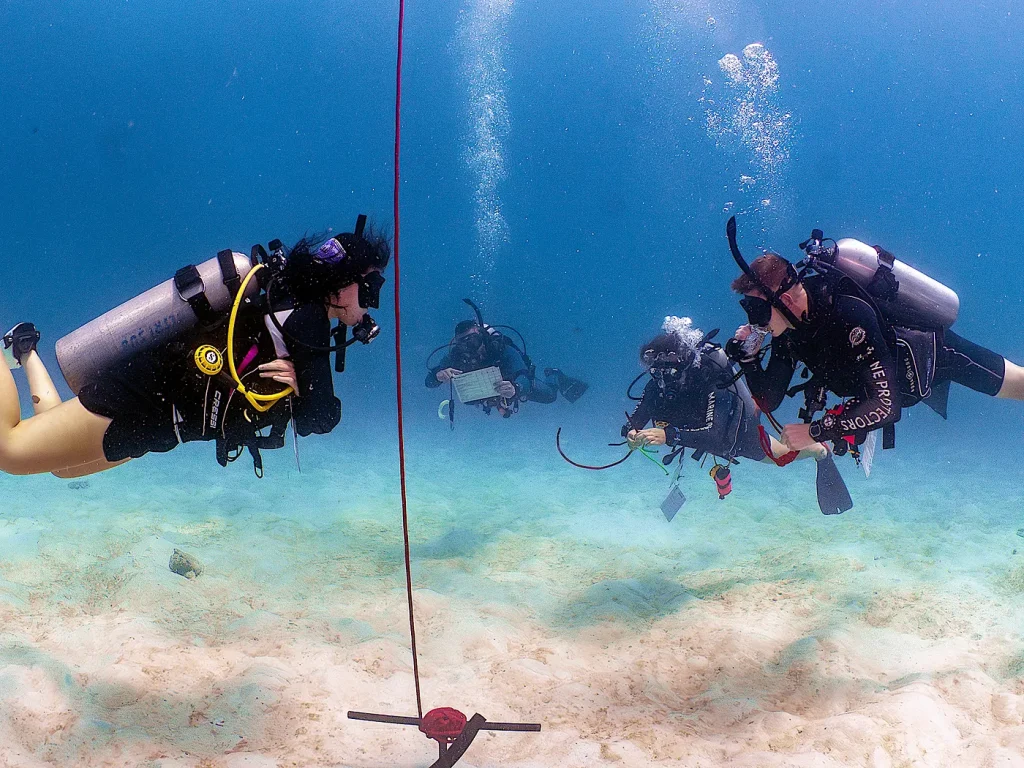
3. Recognise the Fundamentals of Buoyancy
Neutral Buoyancy is THE most important skill a diving instructor will teach student divers.
You should introduce buoyancy as early as possible in any level of course you may teach and reinforce it as often as you can.
Buoyancy is essential for safety, and is THE fundamental scuba skill for everything else a diver will learn.
Buoyancy skills are the building blocks of every competent and confident scuba diver.
Solid buoyancy skills help enhance the experience for divers, who will be able to approach marine life more closely without disturbing or kicking up debris.
Buoyancy means your divers can move around and cover larger areas of a dive site with more grace, whilst expending less energy and air.
And most importantly your divers will avoid disrupting the fragile marine environment, whether that’s in beautiful Koh Tao, where I am based, or in one of the many amazing dive spots around the world.
Your commitment to teaching buoyancy helps convey its significance to your students as well.
As a dive instructor, your responsibility to your students‘ safety and the natural marine environment is paramount.
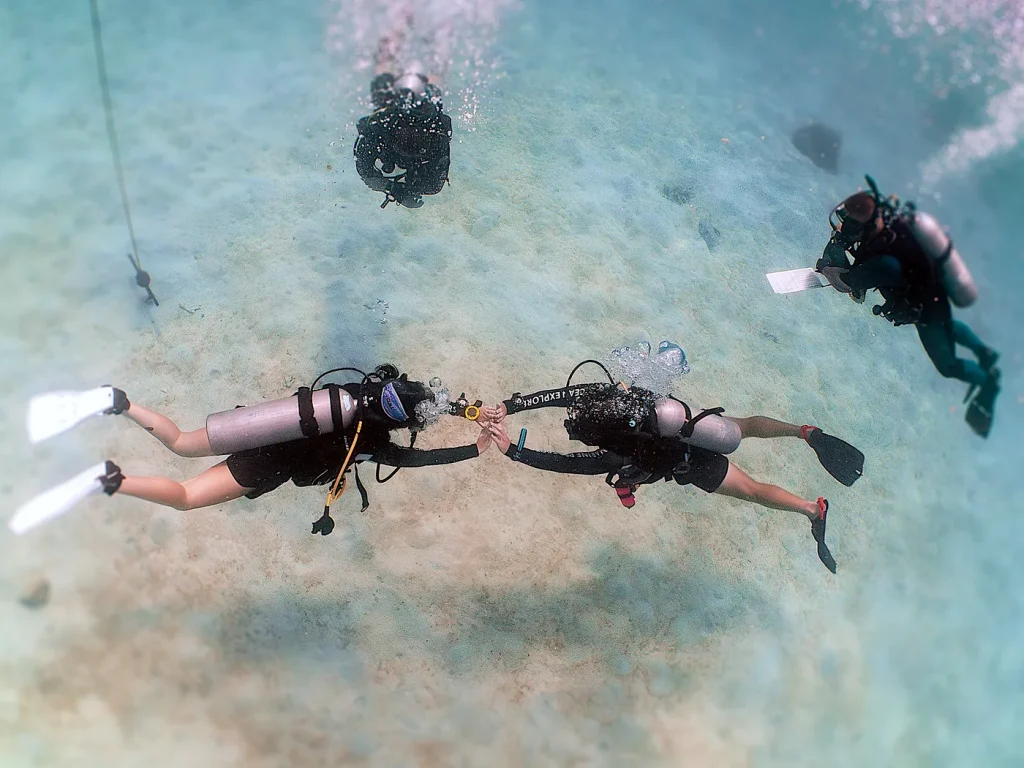
4. Harness the Power of Imagery
Nothing can replicate the experience of diving, but learning how to use a Go Pro and a good mobile photo editing app can help convey just how visually arresting the underwater world can be.
You can use these tools to preserve your divers‘ experiences, providing even better customer service. In addition, these skills help you entice future customers.
Don’t expect to make perfect videos and photos your first few times out. As is the case with scuba diving itself, there’s a learning curve, and you can only master it with practice.
There are lots of options out there for you to choose. One of the Apps I use is CapCut, which is super easy to use and allows me to edit photos and videos whilst on the move.
I film video and take photos using my GoPro Hero Black 11.
There are lots of You Tube tutorial videos you can use to help you get started with both filming and editing and you can hone your skills by getting out there and practicing.
Creating lasting memories in the form of images or short video clips, is a great way to harness the value in building student relationships that can last a lifetime.
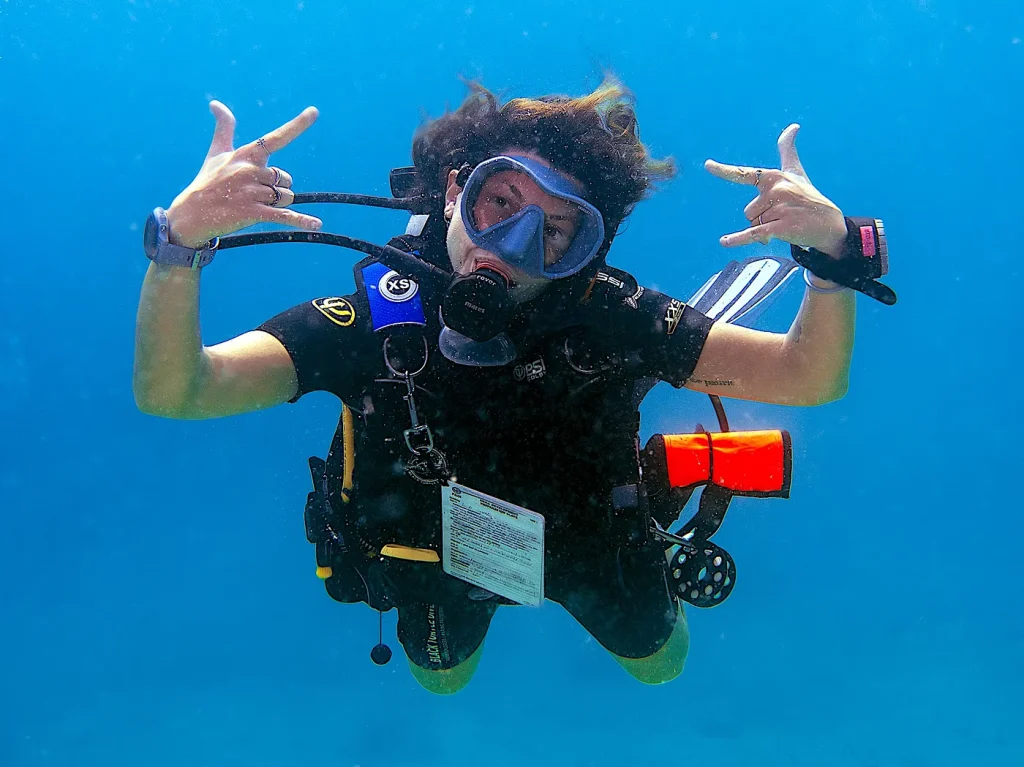
5. Unlock the Potential of Social Media and Amplify Your Message
Once you have honed your photography, videography and editing skills, social media can help you amplify your reach and give potential clients a taste of what they can expect on a scuba diving adventure.
Successful dive professionals understand the importance of marketing, and the value of leveraging social media in order to attract new customers.
Distinguishing what social media platforms will best suit your target market is your first step.
Understanding how to optimise specific platforms in order to reach your intended audience requires research, as well as trial and error (beta testing).
It’s better to be active on one or two platforms that you can focus on, rather than stretch yourself too thin across too many and have accounts that are moribund.
Having clearly stated objectives can help you evaluate and improve your social media strategy.
Engagement — people interacting with your content — is important and ultimately you want to drive people toward your dive business.
If you’re not seeing an uptick in business within a few months of launching or stepping up your social media presence, one option might be to consult a social media professional.
Another option would be to enrol on the PADI Business Academy, an annual 1-2 day workshop that takes members through the latest social media trends and techniques.
You could also talk with other industry professionals about social media strategies that may have worked for them and to keep up with the latest trends.
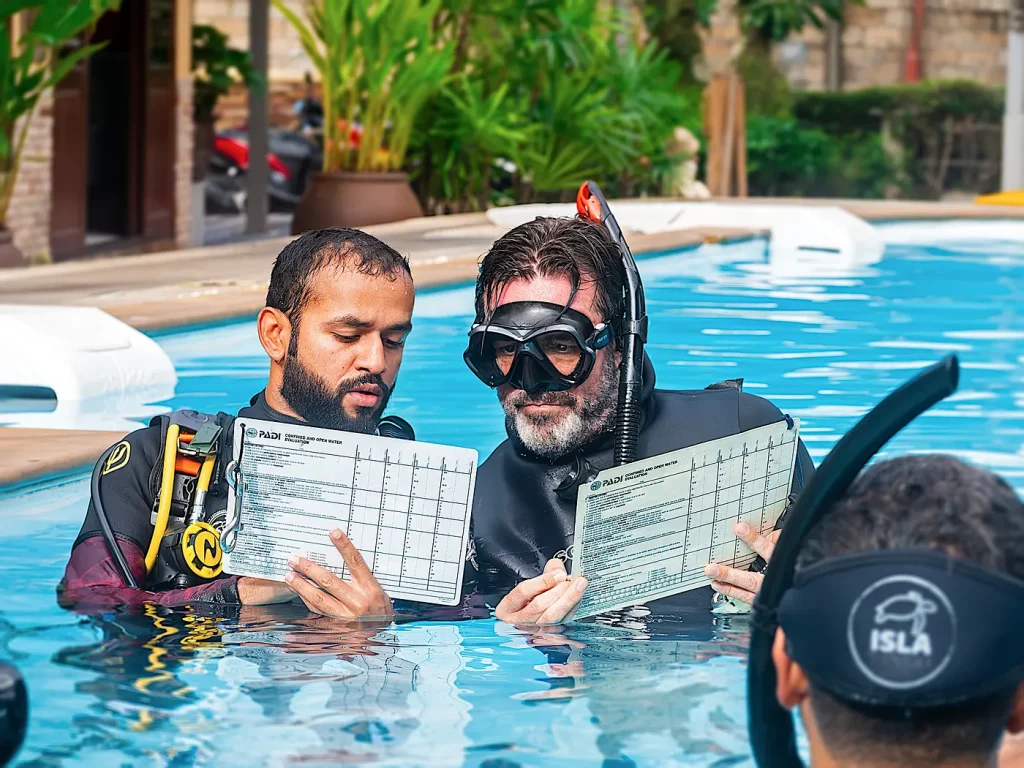
6. Follow PADI Standards and the importance of quality training
PADI standards protect you and your divers and ultimately make your life easier. While elements of adhering to PADI standards can feel like a box-ticking exercise, your focus should still be on producing great divers whilst ensuring your student divers meet each and every PADI standard and achieve mastery.
As a diving instructor, you can still bring a great deal of individuality to your approach.
In addition, the worldwide recognition that PADI offers will make your courses more attractive to potential customers and ultimately provide quality assurance.
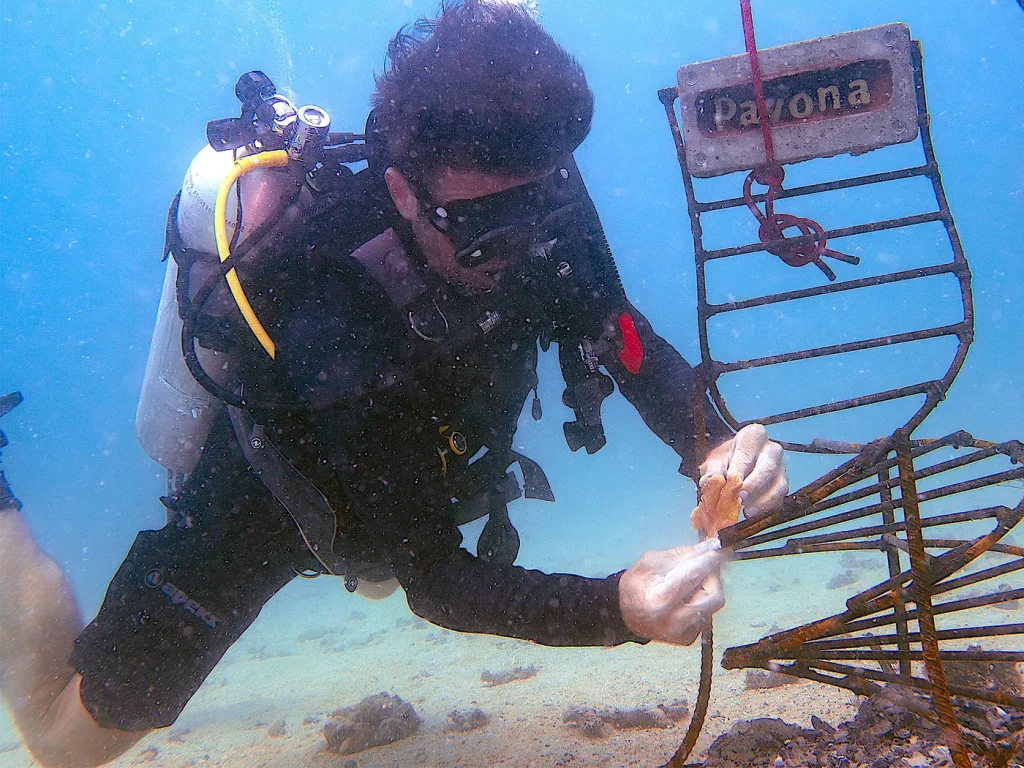
7. Be an Ocean Advocate
Some of your students will be immersing themselves — both literally and figuratively — in the marine environment for the first time. This is an excellent opportunity to educate and advocate for marine conservation.
The reason for this advocacy is both quite obvious and practical: if beaches, coral reefs and underwater marine life are destroyed, scuba diving will become much less attractive, in addition to the environmental effect.
By partnering with a global organisation such as PADI AWARE, you can become an Ocean Ambassador, role model and help to raise awareness.
Additionally, by engaging in conservation activities such as organizing a dive site clean-up, writing articles and giving talks on conservation, you can help contribute to the preservation of the marine environment that makes your profession and lifestyle possible.
Your love for the marine environment can inspire divers and non-divers alike, and using social media to amplify your message will ensure the widest possible reach.
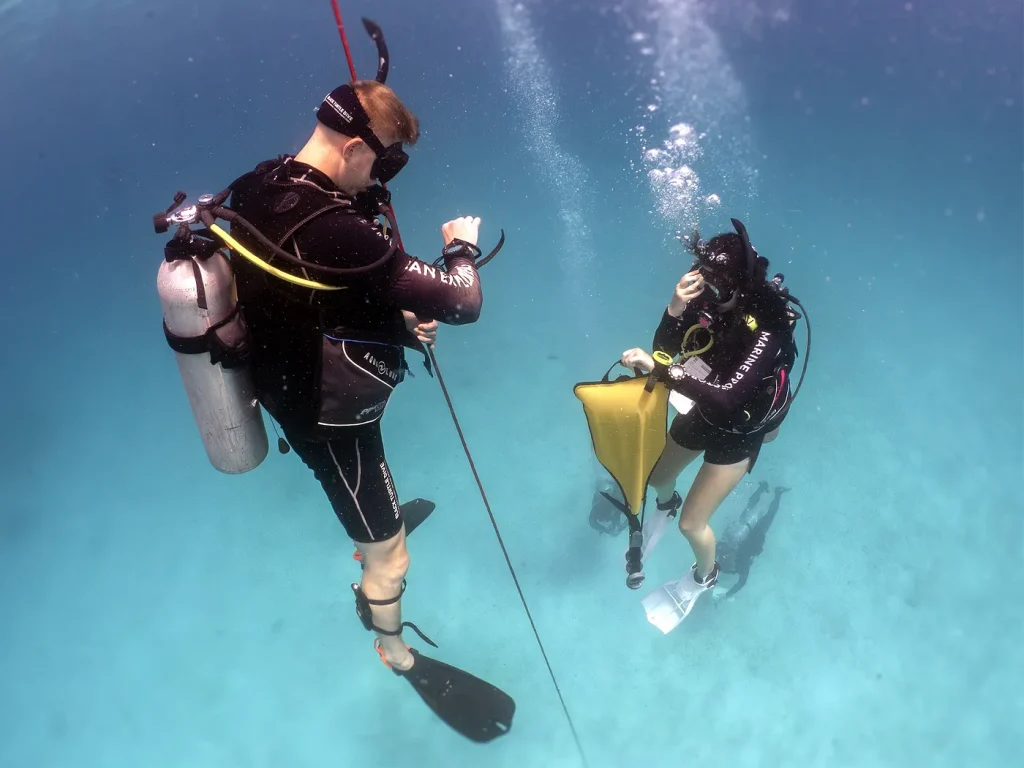
8. Understand the Importance of Continuing Education
Continuing education is important for you, your students and your dive centre.
Teaching a variety of continuing education courses helps ensure that you keep your own skills sharp, staying up to date on best practices as well as continuing to learn and develop as an Instructor.
Teaching continuing education courses helps to improve your skills, whilst introducing new skills to your student divers.
Encourage all your students to continue their diver education by taking additional courses and highlight the benefits of improving their diving skills and overall ability.
Your passion for the work that you do and your love for scuba diving will come through.
A dive centre is a business like any other, and a focus on continuing education creates a win-win situation for everyone. The centre itself can continue to generate revenue, you can stay at the top of your game and your students have the opportunity to expand their skills and become safer, more experienced divers.
You’ll even get to see some of them embrace the lifestyle that you love, become dive professionals themselves and future colleagues!
9. Be Flexible
Flexibility is necessary in the diving business and as a successful instructor, flexibility is crucial.
You’ll have to adapt to different learning styles and personalities. There may be times when you’ll realize that your usual approach is not working, and you have to be ready to adjust your teaching style to the needs of your divers.
The conditions in which you work require flexibility as well. Equipment problems, a sudden change in weather or a safety issue are all situations that will almost certainly arise from time to time, and you will need to be quick-thinking and flexible to address them.
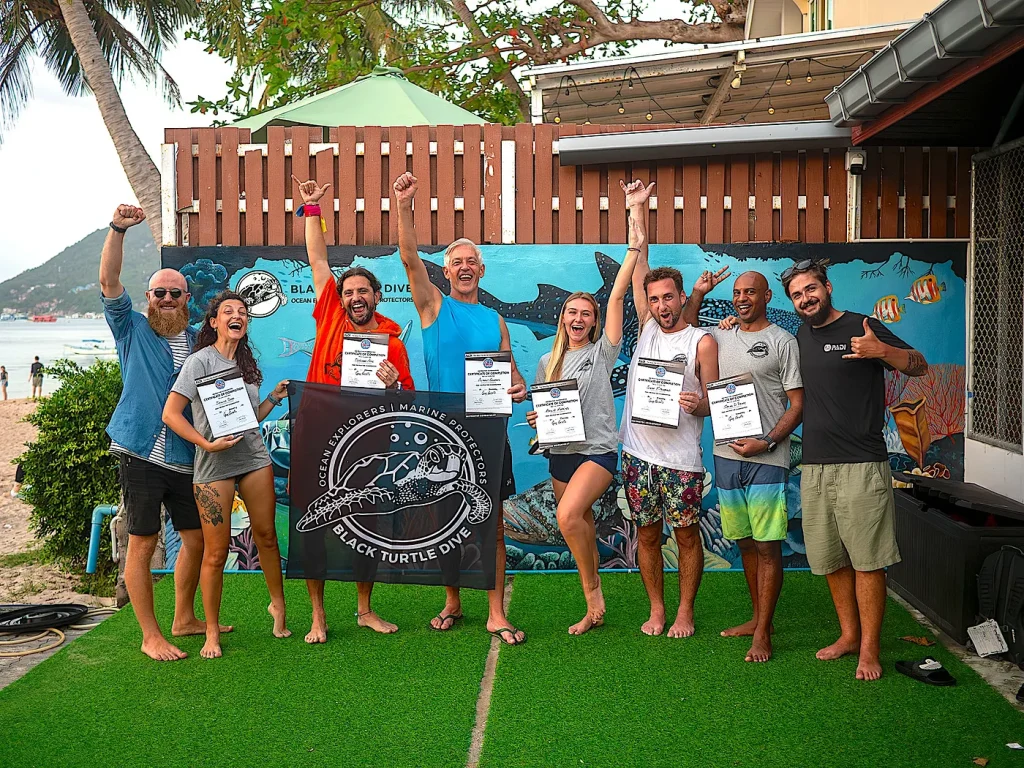
10. Get That Review
Word of mouth from satisfied customers is a great way to keep your dive business flourishing, but these days, word of mouth is not just about telling friends, relatives and co-workers.
You also need to get good reviews online.
Encourage your divers to leave a review as soon as they complete a course or make a purchase. Make it easy for them and give them a direct link, and explain to them how it helps you, their instructor as well as the business.
It may help to suggest specific things to focus on, but if they seem to find this daunting, make sure they know that even a short positive review is better than no review at all.
Working as a professional in the dive industry can be the dream job but at the core of every successful dive professional is hard work, authenticity and a genuine passion for the marine environment.
These three qualities will help drive your industry success, and together with implementing these ten tips, in your dive career as a whole.
Good Luck!
If you are ready to take the next step on your dive professional pathway, you can view our upcoming PADI IDC schedule on Koh Tao and start mapping your training timeline.
Written by Matt Bolton
Founder @ Black Turtle Dive | Co-Founder – Eco Koh Tao & Isla Tortuga Divers | PADI Platinum Course Director @ IDC Koh Tao | Dive Industry Consultant | Marine Conservation Pioneer